
Many roads lead to Hertha BSC
Many roads lead to Hertha BSC
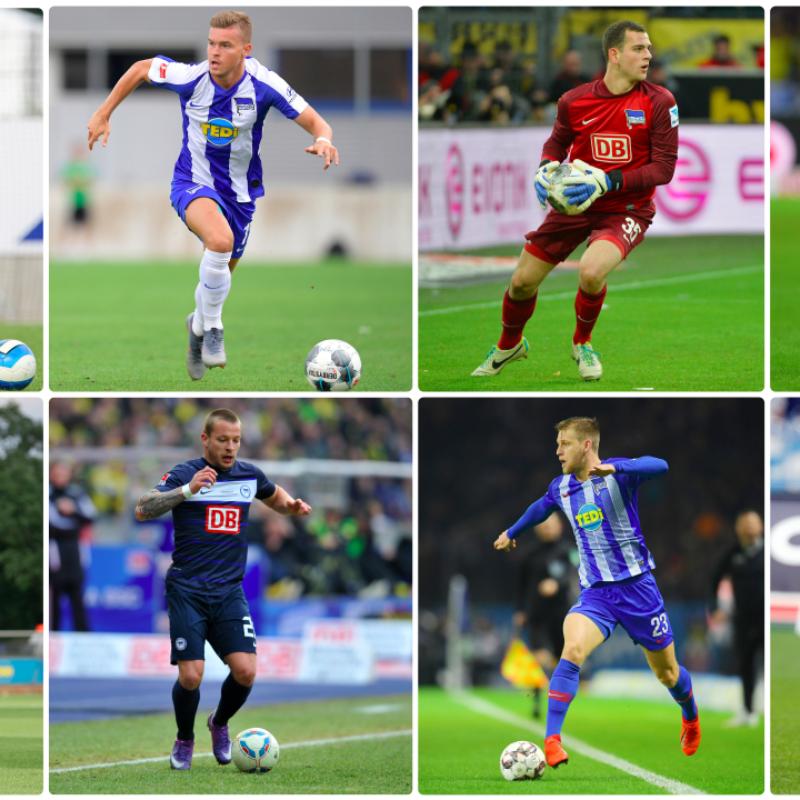
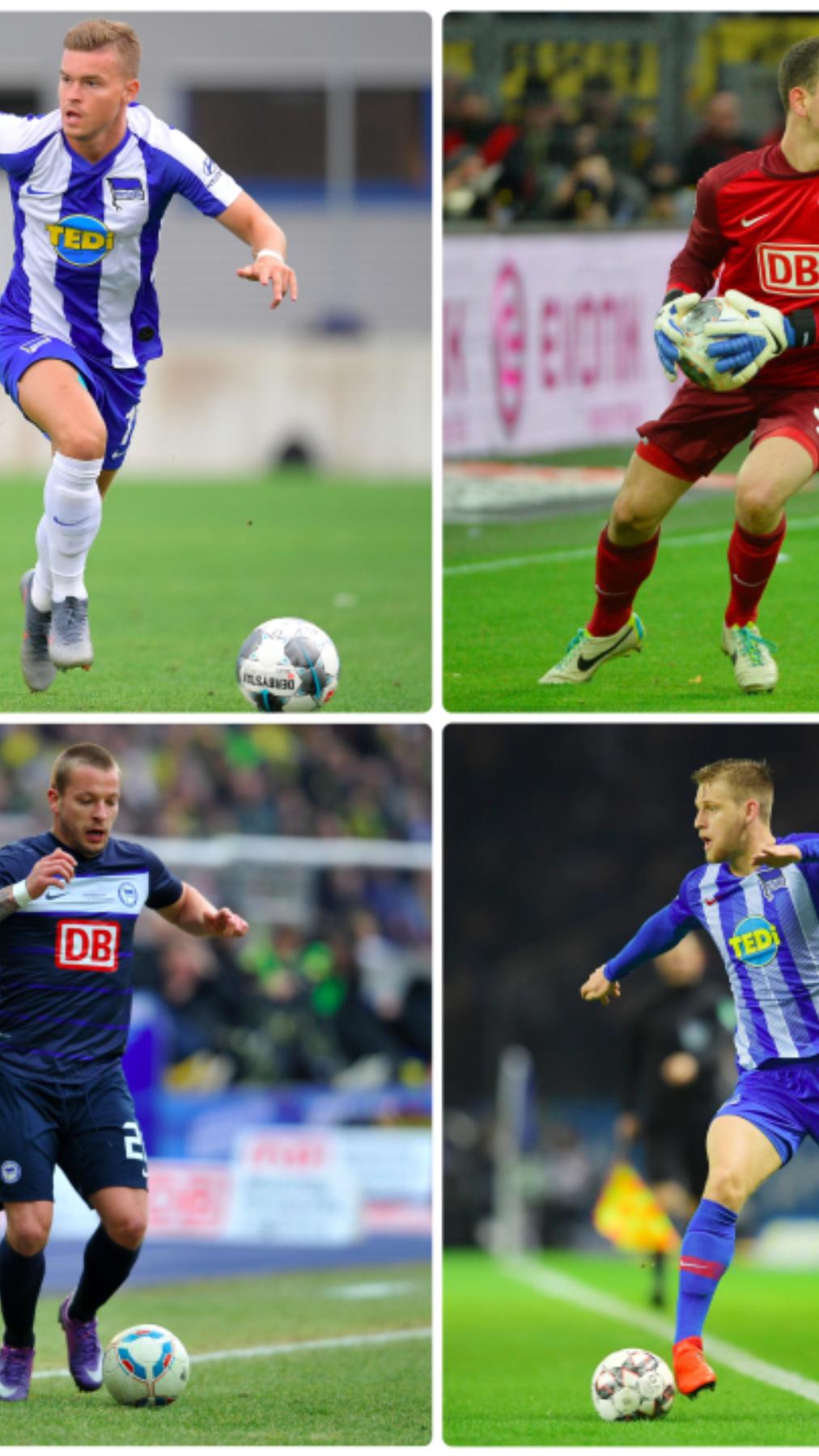
More than 70 players have graduated through the Hertha BSC academy to become a professional. Frank Vogel, academy sporting director, and Michael Dober, academy coordinator, explain the various paths available to join the capital city club.
Berlin – Almost every day, Frank Vogel and Michael Dober receive emails, messages or phone calls from young players who are eager to show the club what they can do. Scoring goals, winning games, lifting trophies wearing your club’s colours; that’s what every young footballer dreams of. However, unfortunately there are only a limited number of places in the Hertha BSC football academy. Vogel, the academy’s sporting director, explains, “we only invite players if already know about them, or if we have received a serious recommendation. We prefer to go and watch the players at their own club to get a first impression.” It often so happens that parents will bring their children to a training session in the hope that they will be allowed to train with the rest of the team. “Often they then see the level of quality that’s on the pitch. This often puts the parents’ opinions into perspective very quickly,” explains Dober, the academy coordinator for age groups U9 to U13. “Fundamentally it doesn’t make any sense to turn up for a training session without registering or being sent an invitation,” Vogel added.
‘Hardy’s Vision’ as a springboard into the academy
However, there are a number of different ways for young players to show off their talents to the coaches at Hertha BSC. There are two trial days every year that take place in the Olympic village: one in Spring and one in Autumn. “These events are well-known by young players in and around Berlin, and are very well received,” says Dober. For those that are very young, the ‘Hardy’s Vision’ project was set up a few years ago, founded by former national team player and U19 coach Michael ‘Hardy’ Hartmann. This project gives selected players the chance to work with official club coaches once a week for the duration of a season. The most talented youngsters will then be given the chance to play for the U9 squad in the following season. “It’s a really successful project. All of the youngsters that we’ve discovered have developed really well,” Dober says proudly. “Our aim is to find physical talents; boys who clearly enjoy moving both with and without the ball. Our job as coach is then to teach them how to play football and to develop their skills.”
And that works magnificently. Vogel also points to the great advantage that, in recent years, much less players have had to be replaced due to a lack of potential. “What our youngsters have in terms of quality, activeness, the ability to use both feet and dribbling with the ball, is extraordinary. In comparison to the rest of the country, our teams are very successful. It’s a pleasure to watch them play,” said the coach. However, the development of the academy is still far from over. The Berliner Volksbank, a long-standing partner of the club, is heavily involved in supporting the ‘Hardy’s Vision’ project. The ‘Berliner Volksbank Cup’ is run on a yearly basis, consisting of four preliminary rounds followed by an overall final for the best teams, in order to find the strongest youth team every season. Hertha’s young side, chosen from the ‘Hardy’s Vision’ project, took part in two of these tournaments and were hugely successful. “These competitions are a good first step for us because they allow us to compete against established clubs with strong youth set-ups. In the past year, our team has managed to win both of the tournaments they have entered. So we’re already on the right track,” said Dober. However, the overall final of the competition was won by SC Schwarz-Weiss Spandau in 2019.
“Good, uncomplicated” cooperation with Hertha 03
Ideally the club aims for these teams to play together for a number of years. “As a rule, we tend not to expand our teams. It’s important for us that a player develops his potential with the team,” Vogel explains. Players don’t always develop quickly. It was for this reason that Hertha BSC initially began their cooperation with their namesake FC Hertha 03 Zehlendorf. “Our work with Hertha 03 is very good, very uncomplicated,” said Vogel. “As a reward for their good performances, we invite players from Zehlendorf to come and play for us. In return, players who need match practice can go and play for Hertha 03. So far it’s been a great cooperation, one that we want to expand and intensify.” Young players in Berlin and Brandenburg should not be worried that their talent won’t be recognised. If a player attracts attention within his club, sooner or later Hertha’s scouts will make note of him. “It takes the fear away from them. Often coaches also recommend their players, because they believe they’re ready to take the next step,” assures Vogel. Moving to the biggest club in your area straight away isn’t always necessary. Often it can be useful to take on a new challenge in a higher league or at a slightly bigger club in the area. Hertha have eyes everywhere; the coaches are constantly monitoring certain leagues and cup competitions and scouts are sent to watch the most important matches and tournaments.
The recipe for success is constant communication, whether that be via short office channels or through regularly scheduled meetings. There’s a lot of work to be done for those in charge, however the benefits are clear to be seen. Over the last few years, more players than ever have graduated through the academy to play for the first team. “It’s a special feeling when you see those boys playing in the Olympiastadion, who have been at the club since they were little,” Dober says proudly. The incredible number of academy graduates speaks for the impressive work that is being done by the coaches. “The players in our academy are given everything they need in order to progress with their careers. There is no need to go anywhere else, because you have your family and friends here with you. They also have the opportunity to complete their school education at the same time,” adds Dober. Vogel also speaks proudly about the academy graduates, “It’s a great recognition when you look at the long list of players who have made it as professionals. You’ve been a part of every step of their development across a number of years; you’ve scouted them, monitored them, trained them or negotiated their contracts. The fact that there are now over 70 players who have graduated to become professionals is something that makes me very proud; particularly with how the competition is always increasing!”